

In regulated industrial settings, solvent selection is closely aligned with internal standards and process requirements. PERC is evaluated not only for its cleaning capability but also for how consistently it performs across batches.
Material consistency supports environments where documentation, traceability, and internal validation are part of daily operations. This allows teams to maintain alignment between material input and process expectations.
Structured documentation such as COA and SDS is available upon request, supporting technical review and onboarding within controlled industrial systems.
Get Your AnswersIndustrial systems depend on the interaction between materials, equipment, and process design. PERC contributes to these systems by maintaining balance across cleaning stages, supporting stable and repeatable performance.
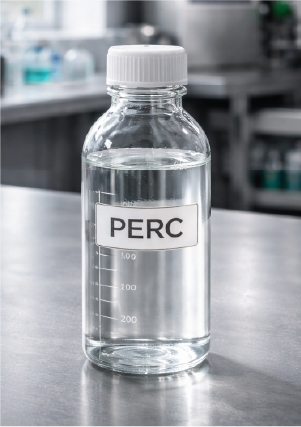
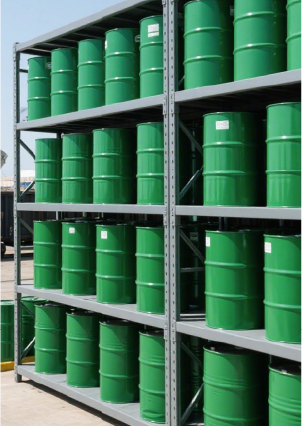
Its role within the process extends beyond contaminant removal. It helps maintain the integrity of equipment and supports consistent operating conditions across different production environments.
This is particularly relevant in applications where cleaning is part of a larger manufacturing sequence and must remain aligned with downstream requirements.
Long-term industrial programs require materials that integrate into established workflows without disrupting execution. PERC supports these environments by aligning with defined production parameters and maintaining consistent performance over time.
In operations where process discipline is critical, solvent behavior must remain stable across repeated cycles and varying conditions. This allows teams to maintain control over cleaning performance while supporting broader production goals.